
Air-Cooled Generator Guide for Home Power
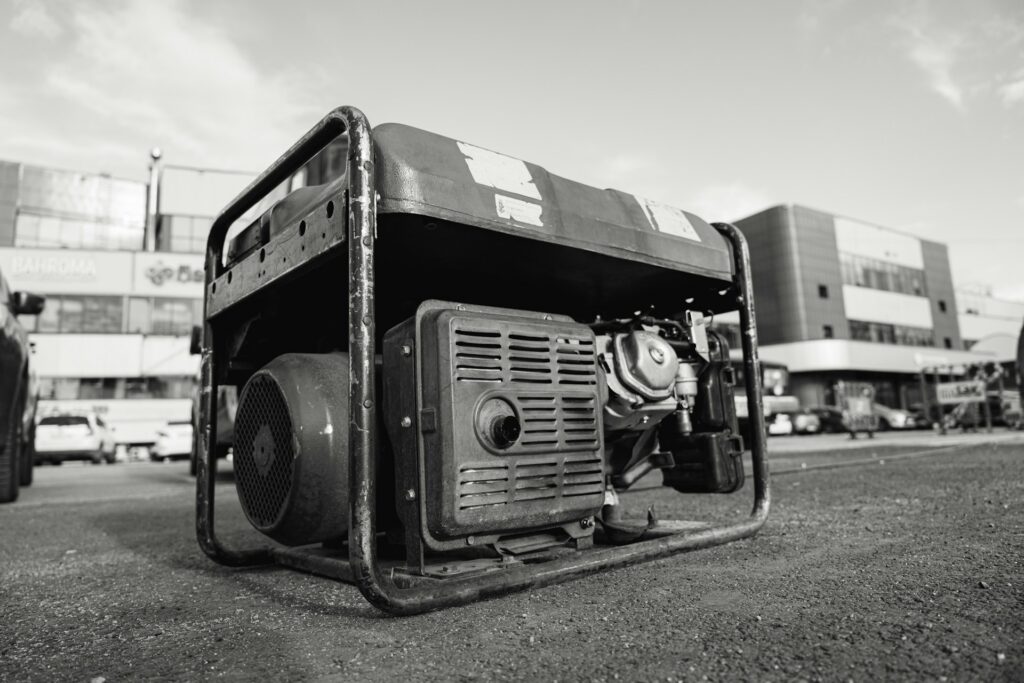
Power outages disrupt daily life fast. You need reliable backup power when severe weather strikes your area. An air-cooled generator is the top choice for standard homes. It keeps your lights and major home appliances running smoothly.
How Air-Cooled Systems Work
All engines produce heat as a by-product of electrical power. An air-cooled generator uses simple physics to stay at safe temperatures. An internal fan draws in fresh surrounding air during operation. Then, it blows this air directly across the engine block to remove heat.
This process provides steady heat dissipation without complex plumbing. Unlike liquid-cooled systems, air-cooled units don’t use liquid pumps or radiators. Engine cooling fins increase the total surface area to release heat quickly. It’s a simple setup that lowers total moving parts.
Fuel Options and Energy Usage
Most home backup units run on clean fuel sources. A natural gas generator hooks directly into your existing fuel line. You don’t have to refill fuel tanks during long power failures. You can also choose liquid propane or cooled diesel generators depending on your setup.
Checking your electrical demands is a smart first step. You might ask yourself, “Is my home energy efficient?” Upgrading insulation and sealing drafty windows reduces your total power needs. Lowering energy waste lets a smaller air-cooled unit power your home with ease.
Preparing Your Electrical Panel
A standby generator connects directly to your home power box. When grid power drops, an automatic transfer switch isolates your house. Then it routes generator power to your home circuits safely.
Your main breaker box must handle this extra power load. Older homes often require electrical panel upgrades before generator setup. A modern panel ensures power transfers safely without blowing fuses or overloading lines.
If your panel shows signs of wear, fix it right away. Timely breaker panel repair prevents serious hazards and protects delicate electronics. Skipping panel repairs can cause power failures during bad storms.
Professional Generator Setup
Choosing the right unit size requires accurate power calculations. You must count your essential lights, fridge units, heating gear and cooling units.
Skilled electricians ensure your system meets local safety codes. Professional residential generator installation ensures proper placement, clean fuel lines, safe wiring and correct transfer switch operation. Expert installation gives you true peace of mind when bad weather hits.
Air-Cooled vs Liquid-Cooled Selection
Choosing between air-cooled and liquid-cooled units comes down to home size. An air-cooled unit easily handles single-family houses under 5,000 square feet. It provides dependable power without complex care requirements.
If you own a massive property, you might need liquid-cooled models. Heavy power loads can exceed what air-cooled engines comfortably supply. An electrician can check your panel to find your exact capacity needs.
Comparing Cooling Methods
- Power Capacity: Air-cooled models handle standard home needs easily. They usually peak around 24 kilowatts. Liquid systems take over for large sites that need massive power.
- Maintenance Costs: Air-cooled options require fewer repairs over time. You just need to handle simple oil changes and air filter swaps.
- Space Needs: An air-cooled system features a compact box. It fits neatly along a side yard without taking up valuable property space.
- Upfront Price: Air-cooled models cost less to buy and set up. They deliver reliable power without high extra costs.
Maintaining Proper Air Flow
Air-cooled engines rely on fresh air to stay cool. You must keep clear space around the box all year long. Clear away fallen leaves, yard debris, overgrown bushes and deep snow.
Blocked air paths trap heat and force the engine to work harder. On the other hand, proper clearance ensures smooth heat dissipation and prevents early engine wear. Clean air paths keep your system running well through long power outages.
Benefits of Home Backup Power
Having emergency power changes how your family handles severe weather. You won’t have to worry about food spoiling in your freezer. Your family stays safe and comfortable while power crews repair main lines.
A standby generator turns on automatically within seconds of a blackout. You don’t have to run extension cords through open doors or windows. You don’t have to pour fuel in the dark or pull recoil cords. The automated system handles everything so your routine keeps going.
Modern units run quiet self-tests each week to stay ready. These short tests keep engine parts lubricated and verify battery health. You’ll know your unit is ready before severe storms strike your neighborhood.
Investing in a standby generator protects your home value too. Buyers value homes with built-in emergency backup power setups.
Getting started is simple with the right expert help. At Dave Broussard, our team checks your panel and calculates your power load to find ideal models. Contact our team today to review your backup power needs. Click here to request an estimate for your home electrical project.