
Why Emergency Heat Spikes Your January Bill in Acadiana
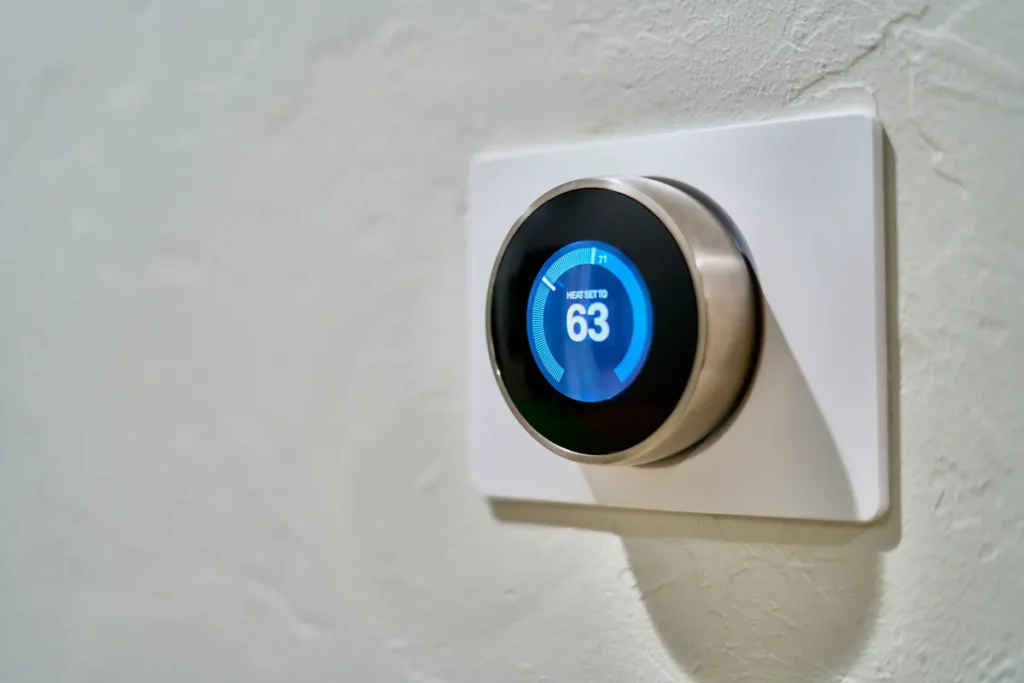
A cold snap hits Broussard, and you notice your thermostat display changed. You see “EM HEAT” or “AUX” lit up. The house feels warm, so you do not think twice about it.
Then the January energy bill arrives.
It’s double or triple what you expected. Some homeowners in Lafayette Parish see bills jump even higher.
When your heating bill skyrockets out of nowhere, heat pump emergency heat is almost always the reason. Here’s what happens behind the screen on your wall. Knowing this keeps your energy cost under control this winter.
What: Heat Pumps, Auxiliary Heat, and Emergency Heat
To understand why your energy bill jumped, you need to know how heat pump systems operate.
- The Outdoor Heat Pump: Your primary heat source that pulls warmth from cold outdoor air.
- The Electric Resistance Heat: Backup heating strips inside your air handler that act like a giant toaster.
- The Thermostat: The central control that tells these system components when to run.
A heat pump moves heat from one place to another. Moving heat takes very little electricity. Electric resistance heat creates raw heat directly with high-voltage power.
There’s a huge difference between supplemental heat and emergency heat settings:
Auxiliary heat serves as automatic supplemental heat. When cold weather hits or your system runs a defrost cycle, the strips turn on for a short burst. The heat pump keeps running alongside them.
Emergency heat is a manual setting. Switching to emergency heat turns off the outdoor unit entirely. Your home relies only on electric resistance heat strips.
Think of your heat pump like a fuel-efficient commuter car. The heat strips are like a heavy tow truck. You want the tow truck nearby for an emergency, but you shouldn’t drive it every day.
Leaving your thermostat on the emergency heat setting is like driving that tow truck all month long.
So What: Why Resistance Heat Eats Up Your Power Bill
Heat pumps run efficiently in our mild Louisiana climate. They move far more heat energy than the electricity they consume. Electric resistance heat strips have a basic 1:1 energy conversion ratio. Every bit of heat requires direct electric power.
Running heat strips instead of your heat pump compressor uses two to three times more electricity each day.
In Acadiana, cold weather rarely lasts long enough to require continuous backup heat. A healthy heat pump handles our winter climate on its own.
If your system relies on heat strips continuously, you face three direct problems:
- Massive Bill Spikes: You pay top dollar for the exact same level of indoor comfort.
- Masked Equipment Failures: Emergency heat hides real mechanical issues. Low refrigerant or a bad defrost board might go unnoticed while heat strips run.
- Excessive Equipment Wear: Heavy heat strip usage puts heavy demand on your air handler and your home’s electrical panel.
A simple mistake on your thermostat in early January leads to a painful financial surprise in February. If you want to lower your heating bill this winter, managing your backup settings is the best place to start.
Now What: How to Fix Your Heat Pump and Lower Your Bill
You can take simple steps today to make sure your system runs efficiently before the next cold front reaches Broussard.
Check your thermostat right now. Ensure it reads “Heat” or “Auto” instead of “EM Heat.” Switching back turns your outdoor unit on again.
Avoid big temperature jumps. Do not drop your thermostat low at night and bump it up five degrees in the morning. That big change forces the system to run auxiliary heat strips to catch up. Keep your setpoint steady.
Inspect the outdoor unit. Clear away dead leaves or debris blocking the sides. If you see thick ice covering the coil, your system needs attention.
Watch for short cycling. If you notice your heat pump turning on and off frequently, restricted airflow or bad settings might be forcing backup heat to run too often.
If you have a gas furnace paired with your unit, you have a dual fuel heating system. These systems switch to gas heat during extreme cold, but bad thermostat settings still waste energy.
Know When to Call the Pros
If your heat pump high electric bill keeps climbing or your heat pump won’t switch out of emergency heat, call in a professional.
Call us at (337) 221-0574 or visit our site to schedule a heat pump check with Dave Broussard A/C, Heating & Electrical before the next cold front hits Lafayette!